
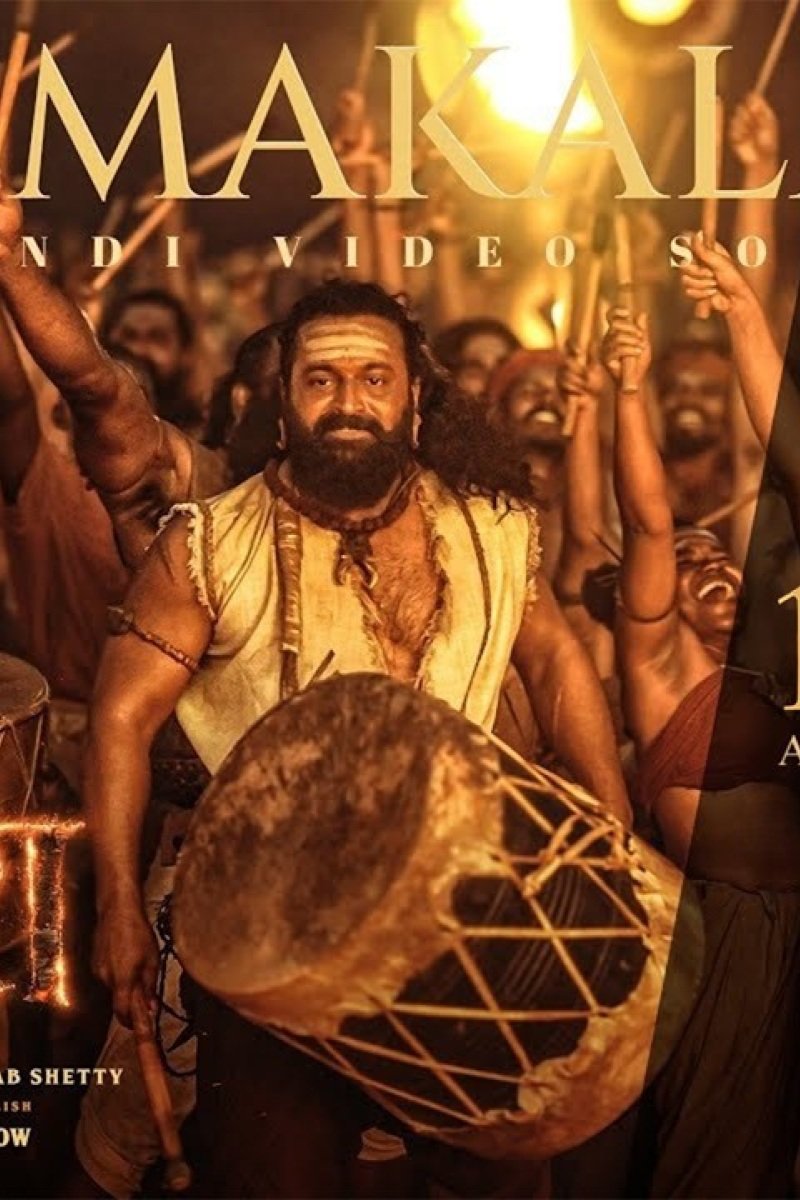
In an international film landscape increasingly dominated by sterile, green-screen computer graphics and algorithmic corporate templates, auteur Rishab Shetty’s Kantara: Chapter 1 emerges like an ancient roar echoing from the deep rainforests of Coastal Karnataka. Stepping back sixteen centuries into the golden era of the 4th Century Kadamba Dynasty, this ₹150 Crore mythological prequel is a soul-stirring, visceral masterpiece that bridges the sacred divide between mortal agony and divine fury.
🌿 The Anthropological Roots of Daiva Worship
Unlike Western mythologies that separate human civilization from divine beings, Coastal Karnataka’s Bhoota Kola and Daiva Aradhane traditions view deities as living, breathing guardians bound to the soil, the forest canopy, and the moral integrity of the tribe. Kantara: Chapter 1 excavates the foundational covenant made between the forest dwellers and the fierce spirit Panjurli Daiva during the reign of Kadamba King Mayurasharma.
Rishab Shetty’s Shamanic Performance: An Acting Masterclass in Divine Possession
To watch Rishab Shetty inhabit the screen in Kantara: Chapter 1 is to witness an actor surrender his physical ego to something primal and transcendent. Embodying an ancient tribal chieftain whose lineage is chosen as the mortal vessel for the forest deity, Shetty’s performance demands astonishing physical and spiritual stamina.
During the film’s climactic 25-minute ritualistic battle, Shetty shifts from grounded tribal swordsmanship into the terrifying, supernatural frenzy of the Daiva trance. His piercing gaze, guttural ritual screams (the iconic ‘Ooooo!’), and explosive, dance-like Kalaripayattu combat movements will send shivers cascading down the spine of every viewer in the theater.
Historical Reconstruction of the 4th-Century Kadamba Realm
The production design led by Dharani Gange Putra avoids the gilded, sterile fantasy aesthetics common in historical epics, opting instead for tactile, mud-and-stone authenticity:
- Iron-Age Metallurgy & Weapons: Hand-forged broadswords, bamboo recurve bows, and leaf-bladed spears based on archaeological artifacts from ancient Banavasi.
- Forest Architecture & Sacred Groves: Entire tribal settlements constructed using thatched palm leaves, timber logs, and clay without synthetic modern adhesives.
- Authentic Natural Lighting: Cinematographer Arvind S. Kashyap shoots predominantly using natural torchlight, campfire flickers, and misty morning sunbeams filtering through dense Western Ghats canopy.
B. Ajaneesh Loknath’s Ethnomusicological Symphony
The sonic architecture of Kantara: Chapter 1 is an extraordinary triumph of indigenous ethnomusicology. Composer B. Ajaneesh Loknath conducted extensive field recordings across remote coastal villages, gathering master folk musicians to play traditional Kombu horns, thunderous Chenda war drums, and antique reed flutes.
When these ancient acoustic instruments clash with the 60-piece orchestral strings in Dolby Atmos surround sound, the auditory experience is transcendent, creating a physical vibration that echoes deep within the listener’s chest.
Why Hyper-Local Indian Cinema Commands Global Devotion
The worldwide triumph of Kantara: Chapter 1 reinforces an essential cinematic truth: the more authentic, culturally specific, and fiercely unapologetic a story is to its native soil, the more universally resonant it becomes on the international stage. Rishab Shetty has not merely made a movie; he has preserved a living spiritual heritage in 70mm celluloid glory.

Leave a Reply