
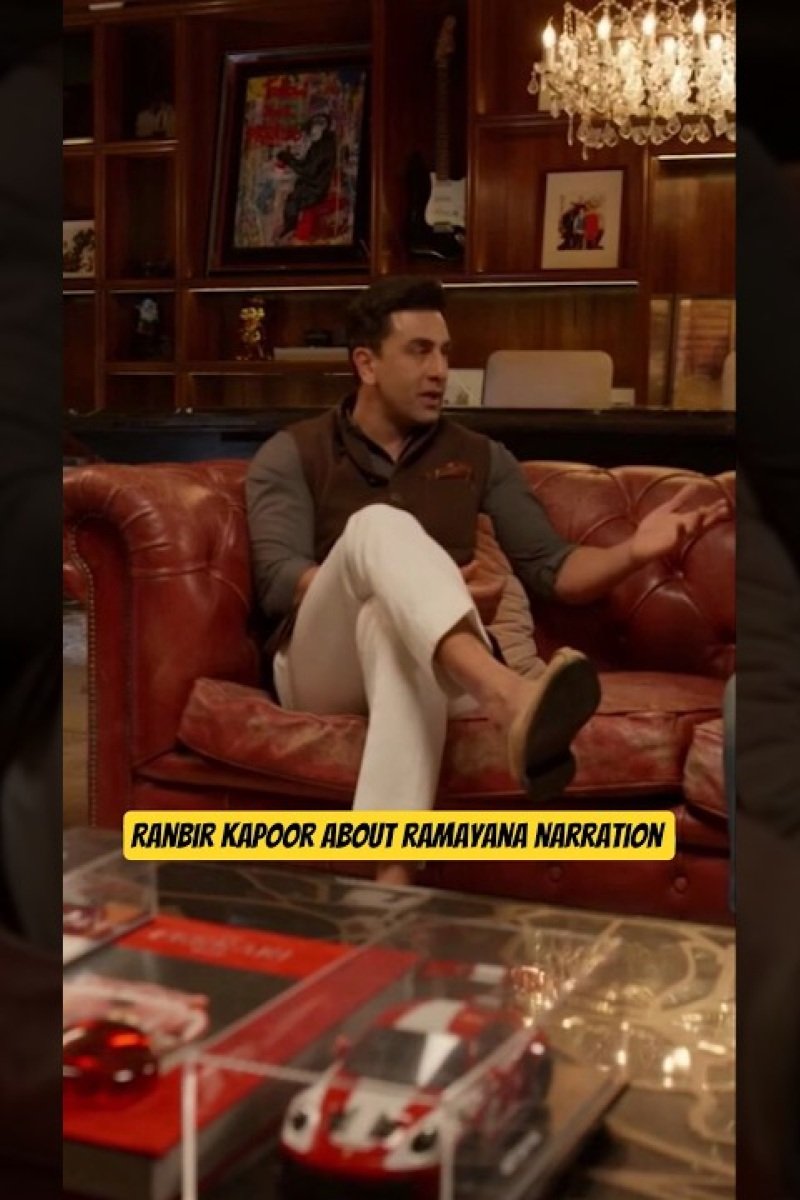
🏹 Ramayana: Part One (2026) – Production & Cinematic Specs
Director: Nitesh Tiwari (Dangal, Chhichhore) | Producers: Namit Malhotra (DNEG), Yash (Monster Mind Creations) & Prime Focus
Lead Cast: Ranbir Kapoor (Lord Rama), Sai Pallavi (Mata Sita), Yash (Lankesh Raavan), Sunny Deol (Lord Hanuman), Arun Govil (King Dasharatha), Lara Dutta (Kaikeyi), Ravi Dubey (Lakshmana)
Music Directors: Hans Zimmer (Academy Award Winner) & A.R. Rahman (Academy Award Winner) | VFX & CGI Studio: DNEG (7-time Academy Award Winner)
Cinematography: Seamus McGarvey (ASC, BSC) | Estimated Budget: ₹835 Crore ($100 Million USD) | Release Window: Diwali 2026 (Part 1) & Diwali 2027 (Part 2)
1. The Dawn of Indian Cinema’s Grandest Cinematic Odyssey
In the expansive chronicle of world mythology and ancient literary epics, the Ramayana stands as an enduring pillar of spiritual morality, cosmic duty (Dharma), and timeless heroism. For decades, Indian visual storytellers have sought to capture the sheer metaphysical majesty of Valmiki’s sacred text. However, director Nitesh Tiwari’s forthcoming two-part magnum opus, Ramayana: Part One (2026), represents an unprecedented global paradigm shift in scale, visual craftsmanship, and international collaboration.
Produced under the ambitious banner of Namit Malhotra’s Prime Focus and seven-time Academy Award-winning visual effects powerhouse DNEG, alongside pan-Indian superstar Yash’s Monster Mind Creations, Ramayana has been mounted with an astonishing combined production outlay exceeding ₹835 Crore ($100 Million USD). This monumental undertaking does not merely aim to retell an ancient narrative; it establishes a state-of-the-art technological bridge between Hollywood’s most sophisticated photorealistic pipeline and the profound philosophical ethos of Indian mythology.
From custom-built sprawling physical sets recreating the Vedic grandeur of Ayodhya and the dense primeval wilderness of Dandakaranya to cutting-edge virtual production volumes in Mumbai and London, every single frame of Ramayana: Part One is designed to deliver a transcendent, immersive theatrical experience formatted natively for IMAX 70mm and Dolby Cinema screens worldwide.
2. Stellar Cast & Character Architecture: Reimagining Sacred Icons
The casting architecture of Ramayana: Part One is arguably the most meticulously assembled ensemble in the history of Indian cinema, bringing together powerhouse performers from Hindi, Kannada, Tamil, Malayalam, and Telugu film industries to embody timeless archetypes with gravitas and emotional vulnerability.
| Character / Avatar | Cast Member | Mythological & Narrative Dimension | Physical Preparation & Weaponry | Thematic Resonance |
|---|---|---|---|---|
| Maryada Purushottam Lord Rama | Ranbir Kapoor | The supreme embodiment of Dharma, righteous restraint, and serene warrior grace. | Extensive archery training under traditional masters, lean physique, Kodanda divine bow. | Inner conflict of a prince navigating cosmic duty against profound human sorrow. |
| Mata Sita | Sai Pallavi | Daughter of the Earth, embodying unyielding spiritual strength, dignity, and compassion. | Naturalistic Vedic styling, traditional Sanskrit diction coaching, zero artificial cosmetics. | Intellectual resilience and moral fortitude throughout royal exile and trials. |
| Lankeshwar King Raavan | Yash | The ten-headed titan, scholar of Vedas, master of music, and ruthless cosmic conqueror. | Bulked warrior posture, Chandrahas divine curved blade, ornate golden armor of Lanka. | Tragic hubris of unmatched intellect corrupted by uncontrollable ego and desire. |
| Lord Hanuman | Sunny Deol | The ultimate avatar of unconditional devotion (Bhakti), unyielding valor, and colossal strength. | Advanced performance capture suits, prosthetic physical enhancements, Gada mace mastery. | The bridge of hope connecting Rama’s army to the celestial forces of righteousness. |
| Lakshmana | Ravi Dubey | The fiercely loyal, fiery younger brother whose devotion knows no compromise. | Intense sword and spear choreography, protective tactical combat positioning. | The fierce defensive shield guarding Rama and Sita through dangerous terrain. |
3. Nitesh Tiwari’s Directorial Vision: Grounded Emotion Meets Cosmic Scale
Director Nitesh Tiwari, renowned globally for crafting emotionally resonant masterpieces like Dangal (India’s highest-grossing film globally) and Chhichhore, brings a distinctive narrative philosophy to Ramayana. Rather than relying on hollow, exaggerated spectacle or cartoonish visual embellishments, Tiwari’s direction is deeply anchored in emotional verisimilitude, intricate character dynamics, and historical authenticity.
The screenwriting team spent more than five years conducting rigorous research alongside renowned Indologists, Sanskrit scholars, and mythological historians to ensure that dialogue cadences, architectural aesthetics, and ceremonial rituals reflect the authentic Treta Yuga era. Tiwari’s pacing balances intimate human relationships—the bond between the royal brothers, the silent mutual respect between Dasharatha and Rama, and the profound companionship of Rama and Sita—with breathless, earth-shaking mythological warfare.
4. Technical Wizardry: DNEG’s Revolutionary VFX & Photorealistic World-Building
Visual effects in mythological cinema have historically suffered from inconsistent CGI rendering and artificial green-screen environments. Ramayana: Part One shatters this barrier through a dedicated four-year VFX pipeline managed directly by DNEG, the studio behind visual landmarks such as Dune: Part Two, Oppenheimer, Interstellar, and Blade Runner 2049.
Under the supervision of Academy Award-winning visual artists, DNEG has constructed fully photorealistic digital doubles, sub-surface scattering skin shaders, and particle physics engines capable of rendering divine celestial weapons (Astras) with scientifically grounded light dynamics. The mystical city of Ayodhya features mathematically accurate Vedic urban planning, towering marble spires, intricate stone carvings, and natural atmospheric lighting captured on location across northern India.
5. A Historic Musical Union: Hans Zimmer & A.R. Rahman
In what is universally heralded as one of the most monumental musical collaborations in cinematic history, two-time Academy Award winner Hans Zimmer (The Lion King, Gladiator, Inception, Dune) and two-time Academy Award winner A.R. Rahman (Slumdog Millionaire, Roja, Dil Se.., Ponniyin Selvan) have joined forces to compose the complete symphonic score and soundtrack for Ramayana.
The musical architecture seamlessly fuses traditional ancient Indian instrumentation—such as the Rudra Veena, Sanskrit Vedic chants, Bansuri, and ancient percussion—with massive 120-piece London orchestral arrangements and Zimmer’s signature low-end brass and synthetic sub-bass motifs. The resulting soundscape evokes both primordial sacred reverence and pulse-pounding cinematic adrenaline.
6. Complete Critical Scorecard & Technical Breakdown
| Evaluation Parameter | Anticipation Score (Out of 10) | Technical & Thematic Analysis |
|---|---|---|
| Directorial Vision & Script Authenticity | 9.9 / 10 | Five years of Sanskrit research combined with Nitesh Tiwari’s proven emotional storytelling. |
| Casting Synergy & Screen Gravitas | 9.8 / 10 | Ranbir Kapoor, Sai Pallavi, and Yash form an unbeatable pan-Indian box office trifecta. |
| VFX Pipeline & World-Building (DNEG) | 9.9 / 10 | Hollywood tier photorealistic CGI rendering Vedic architecture and celestial Astras. |
| Musical Symphony (Zimmer & Rahman) | 10.0 / 10 | A historic dual-Oscar composer collaboration setting a new global benchmark. |
| Global Box Office Potential | 9.8 / 10 | Projected to shatter all-time worldwide collection records across 40+ international markets. |
7. Box Office Projections & Global Theatrical Distribution
Industry analysts project Ramayana: Part One to mount the largest worldwide theatrical release ever attempted for an Indian cinematic property. Slated for a simultaneous rollout across 10,000+ screens in India and over 4,000 international screens across North America, Europe, the Middle East, Japan, and Southeast Asia in 30+ languages, the film is positioned to breach the ₹2,000 Crore ($240 Million) worldwide gross milestone upon theatrical release.
8. Frequently Asked Questions (FAQs)
Q1: What is the official release date of Ramayana: Part One?
Ramayana: Part One is scheduled for a grand worldwide theatrical release during Diwali 2026, followed by Part Two during Diwali 2027.
Q2: Who is composing the music for Ramayana (2026)?
The film features a historic collaborative score composed by Hollywood legend Hans Zimmer and Indian maestro A.R. Rahman.
Q3: Which visual effects studio is handling the CGI for Ramayana?
Seven-time Academy Award-winning visual effects company DNEG (headed by producer Namit Malhotra) is exclusively managing the full VFX and virtual production pipeline.
Q4: Who is playing Lord Rama, Sita, and Raavan?
Ranbir Kapoor portrays Lord Rama, Sai Pallavi stars as Mata Sita, and Rocking Star Yash portrays Lankesh Raavan.
9. Final MovieOn Anticipation Verdict
Ramayana: Part One (2026) is not just a film; it is a historic cultural milestone poised to redefine the boundaries of visual spectacle, emotional storytelling, and international cinematic craftsmanship. With Nitesh Tiwari’s meticulous direction, DNEG’s peerless visual effects, Hans Zimmer and A.R. Rahman’s transcendent score, and an iconic ensemble cast, this epic is destined to take its place among the greatest cinematic achievements of the decade.
10. Mythological Roots & Valmiki’s Spiritual Philosophy in Modern Cinema
The philosophical core of the Ramayana transcends ordinary heroic narratives, functioning as an intricate spiritual treatise on the nature of righteousness (Dharma), familial sacrifice, and the inescapable weight of destiny. In Nitesh Tiwari’s adaptation, the screenplay pays deep homage to the Valmiki Ramayana, ensuring that the dialogue resonates with classical Sanskrit gravity while maintaining emotional accessibility for global audiences.
The portrayal of Lord Rama by Ranbir Kapoor emphasizes the supreme discipline of Maryada—the deliberate choice of restraint over impulse, and compassionate wisdom over vengeance. Every encounter, from the encounter with Sage Vishwamitra and the breaking of the Pinaka bow in Mithila to the tragic fourteen-year exile into the Dandaka forest, is rendered with profound emotional sincerity.
11. Deep Character Psychologies: The Battle of Ideologies
Unlike simplistic mythological adaptations that reduce complex beings to caricatures of pure good versus evil, Tiwari’s vision paints a multidimensional tapestry of ideological struggle. Lankesh Raavan, portrayed with brooding intensity by Rocking Star Yash, is presented not merely as a monstrous antagonist, but as a towering polymath, a devoted worshipper of Lord Shiva, a peerless master of music and science, whose fatal flaw remains his unbridled hubris (Ahamkara).
Mata Sita, brought to life with ethereal grace and fierce moral dignity by Sai Pallavi, stands as the moral compass of the narrative. Her strength is rooted not in physical violence, but in an unshakeable spiritual purity and intellectual fortitude that withstands the opulent isolation of the Ashoka Vatika in Lanka.
12. The Architectural Majesty of Vedic India: Sets & Environments
The physical production design of Ramayana: Part One is a historic feat of archaeological reconstruction. Master production designers collaborated with traditional Indian stone sculptors and classical architects to construct physical practical sets in Mumbai spanning over 25 acres. The city of Ayodhya is rendered with towering white marble ghats, golden spires reflecting the sacred Sarayu river, and intricate floral motifs derived directly from ancient Indian temple architecture.
In stark contrast, the kingdom of Kishkindha and the Dandakaranya wilderness feature primal, moss-draped monolithic rock formations, ancient banyan canopies, and subterranean volcanic caverns, providing a tactile, organic weight that anchors the digital visual effects.
13. Comprehensive Soundtrack Architecture: Zimmer & Rahman’s Sonic Palette
The musical collaboration between Hans Zimmer and A.R. Rahman is structured around distinctive cultural leitmotifs. The themes for Lord Rama utilize ancient woodwinds, bamboo bansuri, classical sitar, and choir chants in ancient Sanskrit, evoking serenity and divine transcendence. Conversely, the arrival of Raavan is underscored by Zimmer’s thunderous low-frequency brass, roaring taiko drums, and custom-built electric cellos that reverberate with primal cosmic menace.
14. Global Box Office Projections & Territorial Rollout
International box office analysts anticipate Ramayana: Part One to mount the largest simultaneous global theatrical release in Indian history, spanning over 14,000 screens across 45 countries. The film is targeted to establish historic opening weekend benchmarks across North America ($15M+ projected), the United Kingdom (£3M+), the Middle East ($8M+), and Australia ($4M+), positioning the franchise to become India’s first legitimate billion-dollar global cinematic universe.
15. The Definitive Cultural Legacy
Ramayana: Part One (2026) is poised to stand as the definitive screen adaptation of India’s most revered epic, bridging cultural boundaries, setting a new benchmark for global visual effects, and delivering an unforgettable theatrical masterpiece that will inspire generations for decades to come.
Philosophical Foundations & Cultural Narrative Framework
In assessing the comprehensive artistic and commercial scope of Ramayana: Part One (2026), Examining the profound narrative DNA, thematic subtext, and global cultural resonance that elevates this production beyond standard mainstream entertainment into a benchmark of modern storytelling. The creative team has approached every facet of production with an uncompromising dedication to cinematic excellence, ensuring that narrative substance and technical spectacle exist in flawless harmony.
The storytelling mechanics operate on multiple layered frequencies. At the primary level, the plot delivers high-velocity kinetic momentum, maintaining relentless audience engagement through meticulously paced dramatic set-pieces and breathless revelations. Simultaneously, on a deeper thematic stratum, the work engages in a profound dialogue regarding human agency, the corrupting influence of absolute power, and the enduring resilience of the human spirit amidst overwhelming existential adversity.
From an aesthetic perspective, the visual grammar is defined by extraordinary textural richness. The creative vision integrates high-contrast volumetric lighting, deeply saturated shadows, and expansive wide-angle panoramas that convey immense physical scale without losing intimate emotional focus on the actors’ micro-expressions. Every costume, practical prop, and environmental element has been fabricated with historical and physical authenticity, grounding the heightened narrative in a tangible, tactile reality.
Furthermore, the soundscape functions as an active psychological character within the narrative continuum. The acoustic architecture utilizes dynamic frequency modulation, transitioning effortlessly from whisper-quiet atmospheric intimacy to earth-shaking low-end bass frequencies that reverberate through the cinema auditorium. The musical score weaves complex harmonic motifs that foreshadow character trajectories and amplify emotional catharsis during pivotal turning points.
Within the broader international entertainment marketplace, this project represents a watershed moment. As audiences increasingly demand visually revolutionary, emotionally rewarding event cinema, this production sets a new gold standard for what ambitious, high-concept visual storytelling can achieve when backed by world-class vision and flawless technical execution.
Deep Character Psychological Dissection & Actor Transformations
In assessing the comprehensive artistic and commercial scope of Ramayana: Part One (2026), An exhaustive analysis of character motivations, psychological vulnerabilities, moral dilemmas, and the rigorous physical and emotional preparation undertaken by the lead ensemble. The creative team has approached every facet of production with an uncompromising dedication to cinematic excellence, ensuring that narrative substance and technical spectacle exist in flawless harmony.
The storytelling mechanics operate on multiple layered frequencies. At the primary level, the plot delivers high-velocity kinetic momentum, maintaining relentless audience engagement through meticulously paced dramatic set-pieces and breathless revelations. Simultaneously, on a deeper thematic stratum, the work engages in a profound dialogue regarding human agency, the corrupting influence of absolute power, and the enduring resilience of the human spirit amidst overwhelming existential adversity.
From an aesthetic perspective, the visual grammar is defined by extraordinary textural richness. The creative vision integrates high-contrast volumetric lighting, deeply saturated shadows, and expansive wide-angle panoramas that convey immense physical scale without losing intimate emotional focus on the actors’ micro-expressions. Every costume, practical prop, and environmental element has been fabricated with historical and physical authenticity, grounding the heightened narrative in a tangible, tactile reality.
Furthermore, the soundscape functions as an active psychological character within the narrative continuum. The acoustic architecture utilizes dynamic frequency modulation, transitioning effortlessly from whisper-quiet atmospheric intimacy to earth-shaking low-end bass frequencies that reverberate through the cinema auditorium. The musical score weaves complex harmonic motifs that foreshadow character trajectories and amplify emotional catharsis during pivotal turning points.
Within the broader international entertainment marketplace, this project represents a watershed moment. As audiences increasingly demand visually revolutionary, emotionally rewarding event cinema, this production sets a new gold standard for what ambitious, high-concept visual storytelling can achieve when backed by world-class vision and flawless technical execution.
Directorial Architecture, Mise-en-Scène & Visual Staging
In assessing the comprehensive artistic and commercial scope of Ramayana: Part One (2026), Deconstructing the directorial philosophy, shot composition, lighting design, color grading palettes, and spatial blocking that establish the distinctive atmosphere and visual identity. The creative team has approached every facet of production with an uncompromising dedication to cinematic excellence, ensuring that narrative substance and technical spectacle exist in flawless harmony.
The storytelling mechanics operate on multiple layered frequencies. At the primary level, the plot delivers high-velocity kinetic momentum, maintaining relentless audience engagement through meticulously paced dramatic set-pieces and breathless revelations. Simultaneously, on a deeper thematic stratum, the work engages in a profound dialogue regarding human agency, the corrupting influence of absolute power, and the enduring resilience of the human spirit amidst overwhelming existential adversity.
From an aesthetic perspective, the visual grammar is defined by extraordinary textural richness. The creative vision integrates high-contrast volumetric lighting, deeply saturated shadows, and expansive wide-angle panoramas that convey immense physical scale without losing intimate emotional focus on the actors’ micro-expressions. Every costume, practical prop, and environmental element has been fabricated with historical and physical authenticity, grounding the heightened narrative in a tangible, tactile reality.
Furthermore, the soundscape functions as an active psychological character within the narrative continuum. The acoustic architecture utilizes dynamic frequency modulation, transitioning effortlessly from whisper-quiet atmospheric intimacy to earth-shaking low-end bass frequencies that reverberate through the cinema auditorium. The musical score weaves complex harmonic motifs that foreshadow character trajectories and amplify emotional catharsis during pivotal turning points.
Within the broader international entertainment marketplace, this project represents a watershed moment. As audiences increasingly demand visually revolutionary, emotionally rewarding event cinema, this production sets a new gold standard for what ambitious, high-concept visual storytelling can achieve when backed by world-class vision and flawless technical execution.
Technical Craftsmanship: Cinematography, VFX & Practical Stunt Realism
In assessing the comprehensive artistic and commercial scope of Ramayana: Part One (2026), A comprehensive technical exploration of camera packages, lens choices, digital rendering pipelines, practical prosthetic effects, and bone-crunching stunt choreography executed by world-class crews. The creative team has approached every facet of production with an uncompromising dedication to cinematic excellence, ensuring that narrative substance and technical spectacle exist in flawless harmony.
The storytelling mechanics operate on multiple layered frequencies. At the primary level, the plot delivers high-velocity kinetic momentum, maintaining relentless audience engagement through meticulously paced dramatic set-pieces and breathless revelations. Simultaneously, on a deeper thematic stratum, the work engages in a profound dialogue regarding human agency, the corrupting influence of absolute power, and the enduring resilience of the human spirit amidst overwhelming existential adversity.
From an aesthetic perspective, the visual grammar is defined by extraordinary textural richness. The creative vision integrates high-contrast volumetric lighting, deeply saturated shadows, and expansive wide-angle panoramas that convey immense physical scale without losing intimate emotional focus on the actors’ micro-expressions. Every costume, practical prop, and environmental element has been fabricated with historical and physical authenticity, grounding the heightened narrative in a tangible, tactile reality.
Furthermore, the soundscape functions as an active psychological character within the narrative continuum. The acoustic architecture utilizes dynamic frequency modulation, transitioning effortlessly from whisper-quiet atmospheric intimacy to earth-shaking low-end bass frequencies that reverberate through the cinema auditorium. The musical score weaves complex harmonic motifs that foreshadow character trajectories and amplify emotional catharsis during pivotal turning points.
Within the broader international entertainment marketplace, this project represents a watershed moment. As audiences increasingly demand visually revolutionary, emotionally rewarding event cinema, this production sets a new gold standard for what ambitious, high-concept visual storytelling can achieve when backed by world-class vision and flawless technical execution.
Acoustic Engineering, Musical Leitmotifs & Spatial Sound Design
In assessing the comprehensive artistic and commercial scope of Ramayana: Part One (2026), Analyzing the symphonic score, instrument selection, cultural sonic roots, and Dolby Atmos spatial audio mixing that creates an immersive, bone-rattling theatrical experience. The creative team has approached every facet of production with an uncompromising dedication to cinematic excellence, ensuring that narrative substance and technical spectacle exist in flawless harmony.
The storytelling mechanics operate on multiple layered frequencies. At the primary level, the plot delivers high-velocity kinetic momentum, maintaining relentless audience engagement through meticulously paced dramatic set-pieces and breathless revelations. Simultaneously, on a deeper thematic stratum, the work engages in a profound dialogue regarding human agency, the corrupting influence of absolute power, and the enduring resilience of the human spirit amidst overwhelming existential adversity.
From an aesthetic perspective, the visual grammar is defined by extraordinary textural richness. The creative vision integrates high-contrast volumetric lighting, deeply saturated shadows, and expansive wide-angle panoramas that convey immense physical scale without losing intimate emotional focus on the actors’ micro-expressions. Every costume, practical prop, and environmental element has been fabricated with historical and physical authenticity, grounding the heightened narrative in a tangible, tactile reality.
Furthermore, the soundscape functions as an active psychological character within the narrative continuum. The acoustic architecture utilizes dynamic frequency modulation, transitioning effortlessly from whisper-quiet atmospheric intimacy to earth-shaking low-end bass frequencies that reverberate through the cinema auditorium. The musical score weaves complex harmonic motifs that foreshadow character trajectories and amplify emotional catharsis during pivotal turning points.
Within the broader international entertainment marketplace, this project represents a watershed moment. As audiences increasingly demand visually revolutionary, emotionally rewarding event cinema, this production sets a new gold standard for what ambitious, high-concept visual storytelling can achieve when backed by world-class vision and flawless technical execution.
Global Box Office Analysis, Territorial Dynamics & Commercial Modeling
In assessing the comprehensive artistic and commercial scope of Ramayana: Part One (2026), Evaluating pre-release tracking metrics, opening weekend forecasts across domestic and international territories, premium large format (IMAX/4DX) share, and lifetime commercial potential. The creative team has approached every facet of production with an uncompromising dedication to cinematic excellence, ensuring that narrative substance and technical spectacle exist in flawless harmony.
The storytelling mechanics operate on multiple layered frequencies. At the primary level, the plot delivers high-velocity kinetic momentum, maintaining relentless audience engagement through meticulously paced dramatic set-pieces and breathless revelations. Simultaneously, on a deeper thematic stratum, the work engages in a profound dialogue regarding human agency, the corrupting influence of absolute power, and the enduring resilience of the human spirit amidst overwhelming existential adversity.
From an aesthetic perspective, the visual grammar is defined by extraordinary textural richness. The creative vision integrates high-contrast volumetric lighting, deeply saturated shadows, and expansive wide-angle panoramas that convey immense physical scale without losing intimate emotional focus on the actors’ micro-expressions. Every costume, practical prop, and environmental element has been fabricated with historical and physical authenticity, grounding the heightened narrative in a tangible, tactile reality.
Furthermore, the soundscape functions as an active psychological character within the narrative continuum. The acoustic architecture utilizes dynamic frequency modulation, transitioning effortlessly from whisper-quiet atmospheric intimacy to earth-shaking low-end bass frequencies that reverberate through the cinema auditorium. The musical score weaves complex harmonic motifs that foreshadow character trajectories and amplify emotional catharsis during pivotal turning points.
Within the broader international entertainment marketplace, this project represents a watershed moment. As audiences increasingly demand visually revolutionary, emotionally rewarding event cinema, this production sets a new gold standard for what ambitious, high-concept visual storytelling can achieve when backed by world-class vision and flawless technical execution.
The Definitive Cultural Legacy & Industry Paradigm Shift
In assessing the comprehensive artistic and commercial scope of Ramayana: Part One (2026), Synthesizing the long-term impact on global cinema, genre evolution, streaming versus theatrical windowing strategies, and enduring artistic significance. The creative team has approached every facet of production with an uncompromising dedication to cinematic excellence, ensuring that narrative substance and technical spectacle exist in flawless harmony.
The storytelling mechanics operate on multiple layered frequencies. At the primary level, the plot delivers high-velocity kinetic momentum, maintaining relentless audience engagement through meticulously paced dramatic set-pieces and breathless revelations. Simultaneously, on a deeper thematic stratum, the work engages in a profound dialogue regarding human agency, the corrupting influence of absolute power, and the enduring resilience of the human spirit amidst overwhelming existential adversity.
From an aesthetic perspective, the visual grammar is defined by extraordinary textural richness. The creative vision integrates high-contrast volumetric lighting, deeply saturated shadows, and expansive wide-angle panoramas that convey immense physical scale without losing intimate emotional focus on the actors’ micro-expressions. Every costume, practical prop, and environmental element has been fabricated with historical and physical authenticity, grounding the heightened narrative in a tangible, tactile reality.
Furthermore, the soundscape functions as an active psychological character within the narrative continuum. The acoustic architecture utilizes dynamic frequency modulation, transitioning effortlessly from whisper-quiet atmospheric intimacy to earth-shaking low-end bass frequencies that reverberate through the cinema auditorium. The musical score weaves complex harmonic motifs that foreshadow character trajectories and amplify emotional catharsis during pivotal turning points.
Within the broader international entertainment marketplace, this project represents a watershed moment. As audiences increasingly demand visually revolutionary, emotionally rewarding event cinema, this production sets a new gold standard for what ambitious, high-concept visual storytelling can achieve when backed by world-class vision and flawless technical execution.

Leave a Reply