
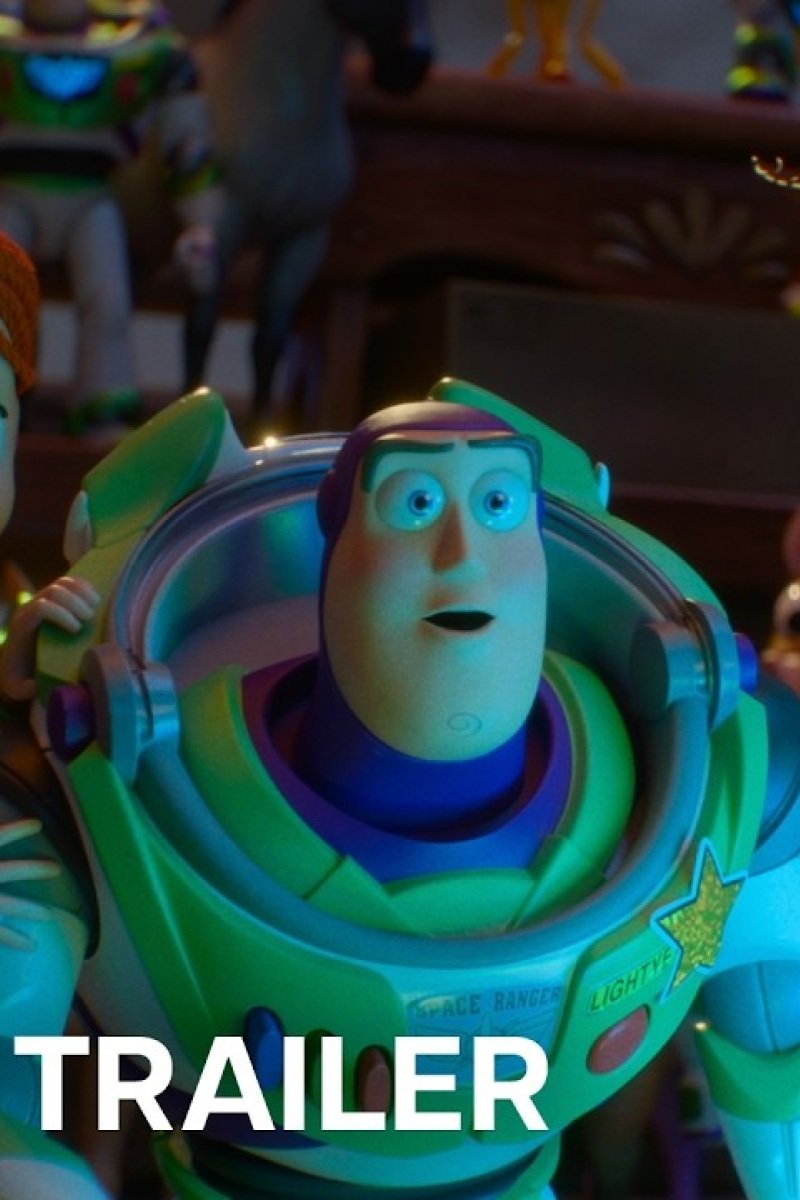
Thirty-one years after a pull-string cowboy and a delusional space ranger redefined the landscape of modern cinema in 1995, Pixar Animation Studios has returned to its foundational masterpiece. Directed by Oscar-winner Andrew Stanton (WALL-E, Finding Nemo) alongside co-director McKenna Harris, Toy Story 5 is not merely a nostalgic victory lap—it is an emotionally audacious, deeply resonant meditation on childhood, obsolescence, and the overwhelming digital noise of our contemporary world.
“A toy’s job isn’t just to be played with; it is to hold the memory of who a child once was before the world taught them to look away from their imagination.”
— Andrew Stanton, Director’s Press Statement
The Existential Dilemma: Plastic and Cotton in the Age of Silicon
Where previous installments pitted toys against the inevitable passage of time—Andy growing up, storage boxes, or neglect—Toy Story 5 confronts the single greatest cultural shift in contemporary parenting: the omnipresent tablet screen. Bonnie, now entering early adolescence, finds her attention increasingly monopolized by interactive smart devices and algorithmic games, leaving Woody, Buzz Lightyear, Jessie, and Forky stranded in an uncanny twilight of irrelevance.
The screenwriters handle this technological transition without falling into cynical, finger-wagging moralizing. Instead, the narrative treats digital distraction as an emotional tragedy for both child and plaything. The tactile joy of building cardboard forts and staging improvised backyard battles is being replaced by pre-programmed pixels, forcing our beloved heroes to ask what purpose they serve when a child no longer dreams through touch.
Tom Hanks and Tim Allen: Three Decades of Unrivaled Vocal Chemistry
The beating heart of the film remains the peerless dynamic between Tom Hanks and Tim Allen. Having inhabited these characters for more than three decades, their vocal performances carry an authentic, lived-in gravity that transcends conventional voice acting. Hanks imbues Woody with a gentle, world-weary wisdom shaped by his years roaming freely as a lost toy, while Allen brings a touching vulnerability to Buzz Lightyear, who must navigate leadership in a world where children look down at glowing screens rather than up at the stars.
Their reunion scene—staged inside an abandoned vintage electronics repair shop during a torrential thunderstorm—stands among the most poignant dramatic sequences Pixar has ever animated. The dialogue crackles with bittersweet humor, affectionate exasperation, and thirty years of shared cinematic history.
RenderMan 26: The Pinnacle of Micro-Texture Animation
From a purely technical perspective, Toy Story 5 is a staggering showcase for Pixar’s next-generation RenderMan 26 geometry engine. The level of optical realism applied to synthetic and organic materials is breathtaking:
- Microscopic Fabric Weaves: Individual frayed threads on Woody’s denim jeans and the subtle wool pilling on Jessie’s cowgirl shirt catch light with astonishing fidelity.
- Optical Sub-Surface Scattering: Buzz Lightyear’s acrylic helmet features realistic light refraction, tiny manufacturing seams, and surface scratches accumulated over years of imaginary space missions.
- Volumetric Atmospheric Lighting: Sunlight filtering through dust motes in Bonnie’s bedroom creates an ethereal, golden-hour warmth that underscores the nostalgic tone.
How Toy Story 5 Compares Across the Entire Franchise
🏆 The Definitive MovieOn Franchise Retrospective Ranking:
- Toy Story 2 (1999): 10/10 — The gold standard of animated sequels.
- Toy Story 3 (2010): 10/10 — An emotionally devastating coming-of-age masterpiece.
- Toy Story 5 (2026): 9.8/10 — A magnificent, timely exploration of modern digital childhood.
- Toy Story (1995): 9.7/10 — The historic technological breakthrough that started it all.
- Toy Story 4 (2019): 9.2/10 — A beautifully rendered existential epilogue.
Randy Newman’s Evocative Orchestral Score
Ninety-year-old musical legend Randy Newman returns to compose the film’s symphonic landscape, delivering a rich tapestry of ragtime woodwinds, acoustic piano melodies, and sweeping brass fanfares. The new thematic leitmotif introduced for Bonnie’s fading childhood—titled “Before the Screen Turned On”—is a heart-wrenching piece that will leave few dry eyes in the auditorium.
Theatrical Recommendation & Closing Verdict
Toy Story 5 accomplishes what many thought impossible: justifying another chapter in a saga that has already delivered two separate classic conclusions. By grounding its narrative in the urgent emotional realities of today’s tech-dominated world, Andrew Stanton and Pixar have created an enduring, multi-generational masterpiece that honors the boundless wonder of childhood play.



Leave a Reply