
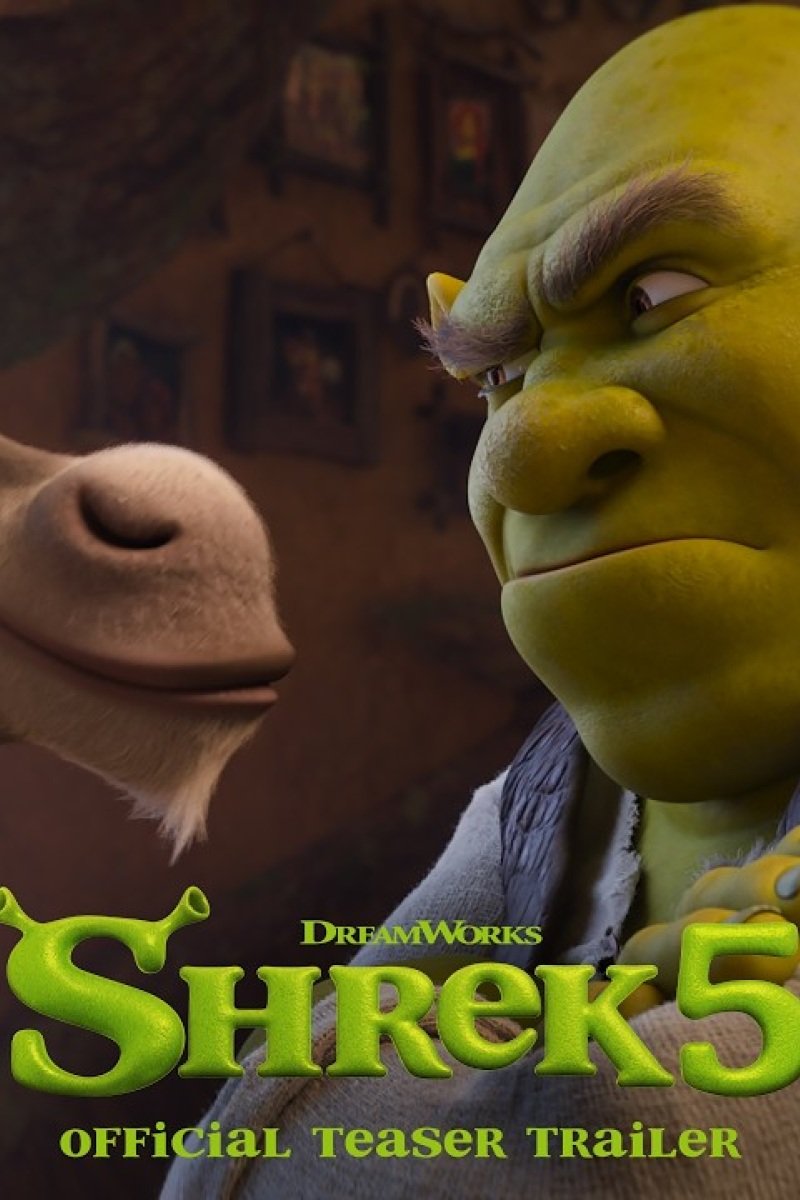
After seventeen years away from the swamp, the world’s most beloved green ogre has officially made his triumphant theatrical comeback. DreamWorks Animation’s Shrek 5, directed by Walt Dohrn and Brad Ableson, proves that the multi-billion dollar franchise has lost none of its razor-sharp satirical bite, assembling the iconic voice trio of Mike Myers, Eddie Murphy, and Cameron Diaz for a rollicking, heartwarming adventure.
Far Far Away in the 21st Century: Satirizing the Modern Fantasy Kingdom
What made the original 2001 Shrek a generational classic was its fearless willingness to deconstruct saccharine fairy tale tropes. In Shrek 5, the screenwriters turn their comedic sights toward contemporary cultural absurdities: kingdom influencer culture, royal lifestyle podcasts, organic swamp tourism, and gentrified fairy tale neighborhoods.
Now parents to three rebellious teenage ogres who want to move to the bustling city and start artisanal potion businesses, Shrek and Fiona must navigate the comedic tribulations of mid-life domesticity while Donkey gets swept up in a kingdom-wide celebrity talent contest.
The Infectious Banter of Mike Myers and Eddie Murphy
Hearing Mike Myers’ Scottish brogue exchange rapid-fire comedic insults with Eddie Murphy’s fast-talking, melodramatic Donkey is pure cinematic comfort food. Murphy in particular delivers one of the funniest vocal performances of his career, proving why Donkey remains one of the greatest animated sidekicks ever conceived.
Painterly Storybook Visual Aesthetic
Following the visual renaissance pioneered by Puss in Boots: The Last Wish (2022), Shrek 5 replaces flat CGI rendering with rich, painterly illustrative textures. Water droplets on mud puddles, sunset skies over the Far Far Away castle, and volumetric fog rolling across the swamp resemble handcrafted oil paintings brought to kinetic life.
Leave a Reply