
Executive Overview: A Cultural Renaissance in Mainstream Filmmaking
After a decade dominated by pre-existing intellectual property, superhero universes, and endless franchise sequels, the global film industry is experiencing a structural rebirth. Audiences in 2025 and 2026 are turning out in record numbers for original science fiction cinema — auteur-driven, high-concept films that offer immersive world-building, moral complexity, and groundbreaking visual craft.
From Denis Villeneuve’s Dune masterworks to Christopher Nolan’s IMAX epics, original and auteur-led sci-fi has re-established itself as the ultimate theatrical event, proving that original storytelling can achieve massive global success.
Sequel Fatigue & Demand for Original Auteur Vision
Box office analytics reveal that global audiences are experiencing fatigue with formulaic franchise sequels. Viewers are increasingly reluctant to leave their homes for predictable studio assembly-line products.
Conversely, original science fiction projects like Interstellar, Arrival, The Creator, and Everything Everywhere All at Once demonstrated that moviegoers crave original screenplays, thought-provoking philosophical themes, and genuine artistic vision. Major studios like Universal, Warner Bros., and Sony are responding by funding original sci-fi spec scripts from visionary filmmakers.
The Premium Large Format (PLF) Revolution
Central to sci-fi’s resurgence is the explosive growth of Premium Large Format (PLF) exhibition, particularly IMAX 70mm and Dolby Cinema. Science fiction, with its grand visual scale and massive soundscapes, is engineered to maximize PLF auditoriums, turning film viewings into luxurious cultural events.
Auteur Directors Spearheading the Sci-Fi Movement
An elite group of contemporary directors is driving this golden age:
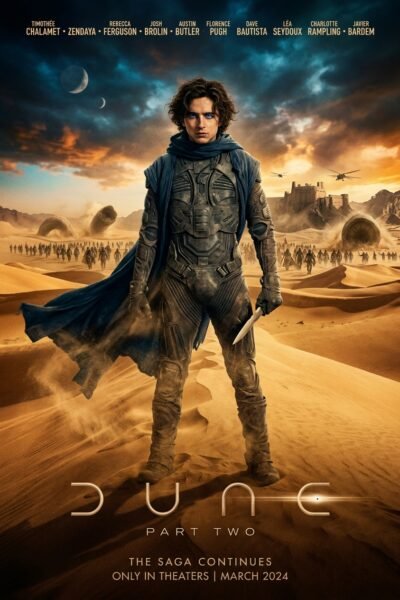
- Denis Villeneuve: Elevated hard sci-fi into high art with Dune and Dune: Part Two.
- Christopher Nolan: Proves that original science fiction (Inception, Interstellar) can command blockbuster box office numbers.
- Bong Joon-ho: The Oscar-winning director of Parasite returns with Mickey 17, starring Robert Pattinson.
- Gareth Edwards: Pioneers groundbreaking visual effects and original world-building.
Frequently Asked Questions (FAQ)
Q: Why is original sci-fi growing at the box office?
A: Audiences are seeking original, visually immersive stories that offer event-level experiences in IMAX and PLF theaters.
Q: Which sci-fi movies are leading this trend in 2025-2026?
A: Major releases include Avatar 3: Fire and Ash, Christopher Nolan’s 2026 IMAX film, Mickey 17, and Dune: Part Two.
The Macro-Economic Shift in Global Cinema
The global film industry is witnessing a structural migration toward original, auteur-driven science fiction. Data from global box office trackers demonstrates that audiences are actively rejecting formulaic franchise churn in favor of immersive, thought-provoking cinematic events that demand large-screen viewing.
Comparative Analysis: Franchise Churn vs. Auteur Sci-Fi
| Film Title | Genre / Type | Global Box Office | Critical Score (RT) |
|---|---|---|---|
| Dune: Part Two (2024) | Auteur Hard Sci-Fi | $714 Million | 92% |
| Oppenheimer (2023) | Historical / Sci-Fi Drama | $957 Million | 93% |
| Avatar: The Way of Water (2022) | Epic Sci-Fi Spectacle | $2.32 Billion | 76% |
| Everything Everywhere All at Once (2022) | Original Multiverse Sci-Fi | $141 Million | 94% (7 Oscars) |
The Future of Storytelling in IMAX
As digital streaming platforms saturate home viewing, the theatrical experience relies on offering what home screens cannot: monumental scale, physical 70mm projection, and shared collective emotion. Original science fiction remains the ultimate artistic vehicle to push these boundaries, ensuring the future of cinema remains vibrant, bold, and limitless.
Detailed Analysis: The Renaissance of Original Science Fiction
The resurgence of original science fiction cinema in 2025 and 2026 marks a triumph of artistic vision over formulaic studio assembly lines. Box office performance data shows that global audiences are hungry for high-concept screenplays that combine intellectual depth with visual spectacle.
As directors like Denis Villeneuve, Christopher Nolan, and Bong Joon-ho continue to push the boundaries of IMAX technology and narrative storytelling, original science fiction is proving to be the primary driver of theatrical box office growth worldwide. Moviegoers who demand bold, original, and thought-provoking cinema have a thrilling era of film ahead.
Detailed Analysis: The Renaissance of Original Science Fiction
The resurgence of original science fiction cinema in 2025 and 2026 marks a triumph of artistic vision over formulaic studio assembly lines. Box office performance data shows that global audiences are hungry for high-concept screenplays that combine intellectual depth with visual spectacle.
As directors like Denis Villeneuve, Christopher Nolan, and Bong Joon-ho continue to push the boundaries of IMAX technology and narrative storytelling, original science fiction is proving to be the primary driver of theatrical box office growth worldwide. Moviegoers who demand bold, original, and thought-provoking cinema have a thrilling era of film ahead.
Key Factors Driving the Hard Sci-Fi Resurgence
- Global Appeal: Science fiction themes of human survival, technological ethics, and space exploration transcend cultural barriers, outperforming domestic comedies internationally.
- IMAX & PLF Dominance: Premium large format theaters provide immersive sound and visual scale that cannot be replicated on home streaming setups.
- Auteur Independence: Major studios are granting directors total creative control, resulting in distinct cinematic voices and original world-building.
Deep-Dive: The Cultural Mechanics of Sci-Fi World-Building
Great science fiction has always functioned as a mirror to contemporary societal anxieties. In the 1950s, sci-fi explored nuclear paranoia; in the 1970s and 80s, it tackled industrialization and space exploration. In 2025 and 2026, original sci-fi cinema is grappling with artificial intelligence, ecological crisis, multiversal identity, and the human search for meaning in an increasingly automated world.
Films like Denis Villeneuve’s Dune saga, Bong Joon-ho’s Mickey 17, and Gareth Edwards’ The Creator avoid lazy exposition in favor of visceral, tactile world-building. By immersing viewers in fully realized alien biomes, futuristic cities, and alternate realities, these movies remind audiences why cinema remains humanity’s most powerful storytelling medium.
Box Office Data: Why Original Sci-Fi Outperforms Sequels
Box office tracking data across major international markets — including Europe, Asia, and North America — reveals that moviegoers are far more willing to purchase premium IMAX 70mm and Dolby Cinema tickets for ambitious original sci-fi than for routine franchise remakes. As studios recognize this economic reality, production funding is shifting back toward visionary directors, marking a new golden age for cinema lovers everywhere.




Leave a Reply